

Construction is set to begin next summer on a geothermal power plant and microgrid at Pilgrim Hot Springs, a popular summer spot with natural hot springs and lodging near Nome.
Unaatuq LLC, a consortium of eight regional organizations, owns the site and co-manages it with Kawerak.
But grants from the federal government are paying for the geothermal project. They come from the U.S. Department of Energy's Office of Indian Energy, the U.S. Department of Agriculture, the Denali Commission and the Bureau of Indian Affairs.
A $1.8 million grant from the Bureau of Indian Affairs' Tribal Climate Resilience Program was the last piece of funding. Pilgrim Hot Springs general manager Kelsey Galleher said it was awarded in January 2025 but frozen until August 2026. Without it, she said, the project couldn't buy its battery system or hire electricians.
Galleher said the microgrid project is made up of three parts: a 75-kilowatt geothermal power plant, a battery energy storage system, or BESS, and a backup diesel generator.
Together, they will power Pilgrim's three rental guest cabins, staff housing, the welcome center, the staff shower room and irrigation for the farm.
Right now, the guest cabins run on solar power, backed up by diesel generators. Galleher said the solar batteries drain quickly when guests charge devices, and the system struggles in the dark fall months.
"Our main goal is to just decrease the amount of diesel that we're using, and be able to just walk in and turn on lights," she said.
The geothermal power plant, made by ElectraTherm, and the battery system are being built off-site. Both are expected on the first barge to Nome in June, Galleher said.
Kougarok Road repairs
Before that equipment can be installed, it has to get to Pilgrim. From Nome, it’s 53 miles up Kougarok Road, then another 7 miles on a rough access road that needs repairs. Spring snowmelt and summer rains frequently flood a stretch closest to the site. Crews plan to fill in the deepest ponds so heavy equipment can make it through.
But that work can’t start until Kougarok Road reopens for the season, usually in mid- to late May, Galleher said. Then, if things go according to plan, she said the access road will open by early June.
Other parts of the access road will remain rough.
"I wish that we had enough money to just completely fix that road, but it's going to take a lot more than what we have," Galleher said.
Construction on the geothermal project itself is set to begin in June 2027. Galleher expects commissioning to take most of next summer. Because Pilgrim doesn't have year-round staff yet, she said the plant will likely be shut down and winterized for its first winter.
Projected power output
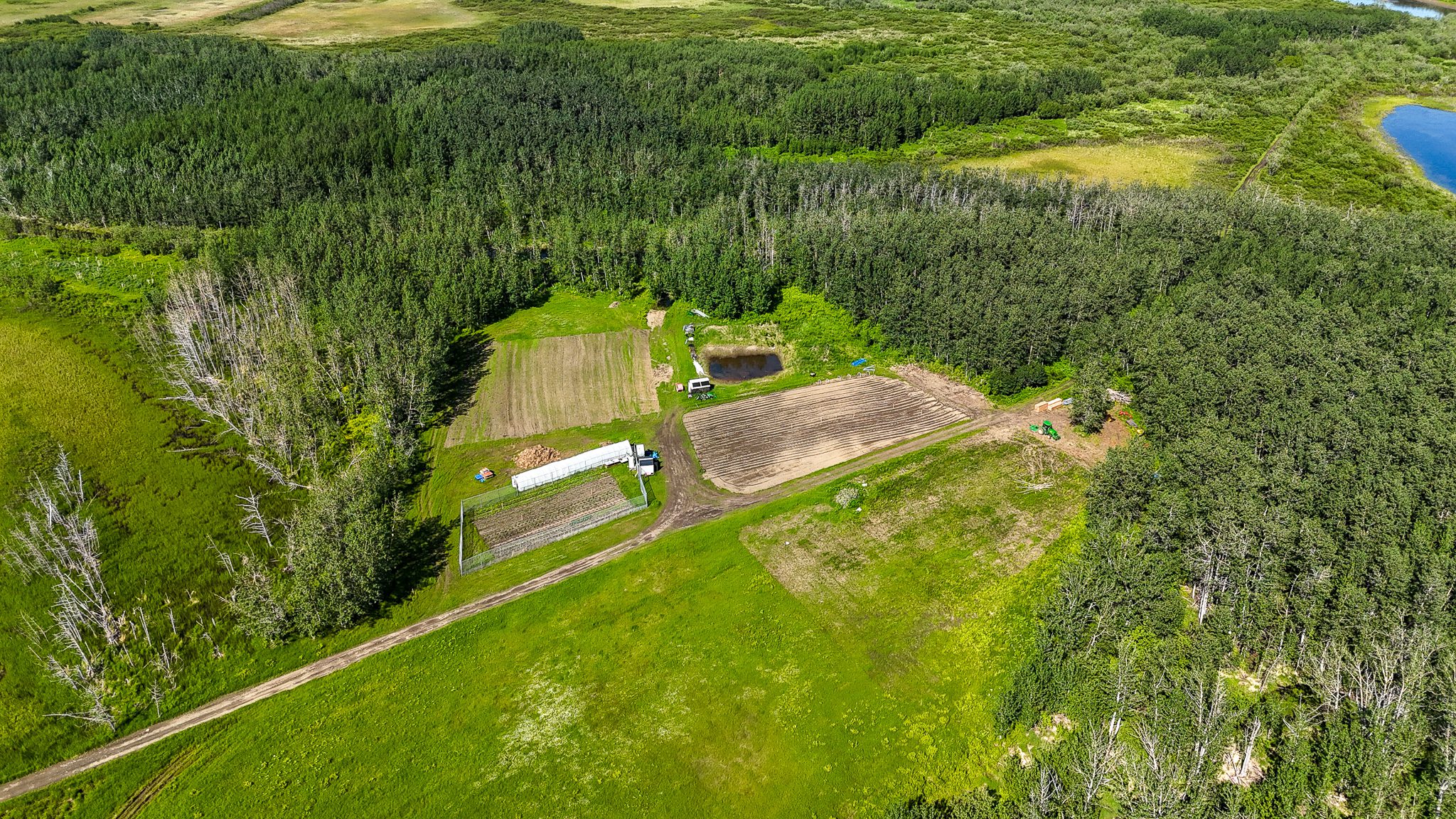
The project taps only the upper, cooler part of Pilgrim's geothermal resource. The water there is about 190 degrees Fahrenheit, which Galleher said is low in the geothermal world.
That's still hotter than the water at Chena Hot Springs near Fairbanks, home to Alaska's only operating geothermal power plant. Gwen Holdmann, chief scientist at the Alaska Center for Energy and Power at the University of Alaska Fairbanks, was lead engineer on that project. She said Chena runs on water around 165 degrees, and its success renewed interest in Pilgrim more than 15 years ago.
Studies by the Alaska Center for Energy and Power, which drilled test wells at Pilgrim between 2010 and 2014, suggest a deeper, hotter reservoir northwest of the site could produce up to 5 megawatts, about 67 times more power than expected from the initial site But Holdmann said more exploration drilling is needed to confirm that figure.
"Our estimate was that you could generate up to 5 megawatts of power from that resource. The problem is that that's very much just an estimate," Holdmann said.
Holdmann said running the new plant will be the best long-term test of what Pilgrim can produce. Pulling water out could draw even hotter water up from deeper underground, or let cold water rush in.
"You might have a situation where you actually ... see temperatures decrease," she said.
Holdmann said a month of running the plant should provide more data and insight into what the resource will actually produce.
Future regional geothermal interest
Getting that power to Nome is the hard part. A transmission line would likely cost "over a million dollars a mile," Holdmann said, and Pilgrim is about 37 miles from Nome in a straight line. The Nome Joint Utility System, or NJUS, once signed a power purchase agreement with a developer to buy power from Pilgrim.
Holdmann said the developer didn't move forward because the transmission line didn't pencil out. NJUS utility engineer Ken Morton said the agreement lapsed after the developer couldn't prove a viable resource. Proving the resource could produce 5 megawatts "could change the ... risk equation," Holdmann said.
The utility produces about 3 to 5 megawatts of power over the course of the year, Morton said in an email. That puts a 5-megawatt resource on par with Nome's entire grid at peak usage.
Morton said NJUS isn't involved in the Pilgrim microgrid, and the 75-kilowatt plant won't have enough power left over to justify the cost of a transmission line to Nome. But if a viable resource is developed and the power costs the same as or less than diesel, he said he's confident the Nome Joint Utility Board and the Nome Common Council would approve a power purchase agreement.
"Having a source of cost-effective energy that is not subject to volatile diesel pricing would be a huge boon to the community," Morton wrote.
Most homeowners might not see much change on their bills, Morton said, because the state's Power Cost Equalization program already subsidizes the first 750 kilowatt-hours each month. Schools, businesses and bigger users could see more savings, he said.
If the bigger resource pans out, Galleher believes Pilgrim could one day send power to Nome or the nearby villages of Teller or Brevig Mission, which consume millions of gallons of expensive diesel for power each year.
"It's one of the most beautiful places I've ever been to in Alaska. I think it's a really special place that has a lot of history, and I'm just really happy to see that it's being used in a productive way that also honors that history and its important sort of legacy for the region," Holdmann said.


