
The State of Alaska is proposing changes to how nearly $38.5 million in federal disaster relief will reach communities still recovering from 2022’s ex-Typhoon Merbok.
Principal Program Manager with the State of Alaska, Brandon McNaughton, said at a public hearing last week that the money is meant to fill gaps left by other recovery programs.
“It’s essentially a last resort funding opportunity, and it’s designed for long-term recovery,” McNaughton explained.
The funds come from the U.S. Department of Housing and Urban Development (HUD) and are part of the Community Development Block Grant – Disaster Recovery program. 53 communities across Western Alaska are eligible for the funding.
About $33 million is earmarked for costs not fully covered by the Federal Emergency Management Agency. That includes about $15 million for recovering and repairing existing homes hit by the storm and $10 million for new builds.
$5 million is set aside for mitigation efforts to better protect against future flooding and coastal erosion. The state initially planned to fund five to six projects, but the latest amendment doubles the project count to 10-12, with a maximum award of $1 million each.
Shelly Wade with Agnew::Beck Consulting said it’ll still be years until the funds are distributed. One hangup, she said, has been qualifying subsistence camps for the recovery funds.
“HUD eligibility currently classifies subsistence camps as secondary, secondary or vacation homes,” Wade said. “The state, of course, understands this is not their purpose, and that subsistence camps are a part of culture, a way of life, and a really critical component of village economies.”
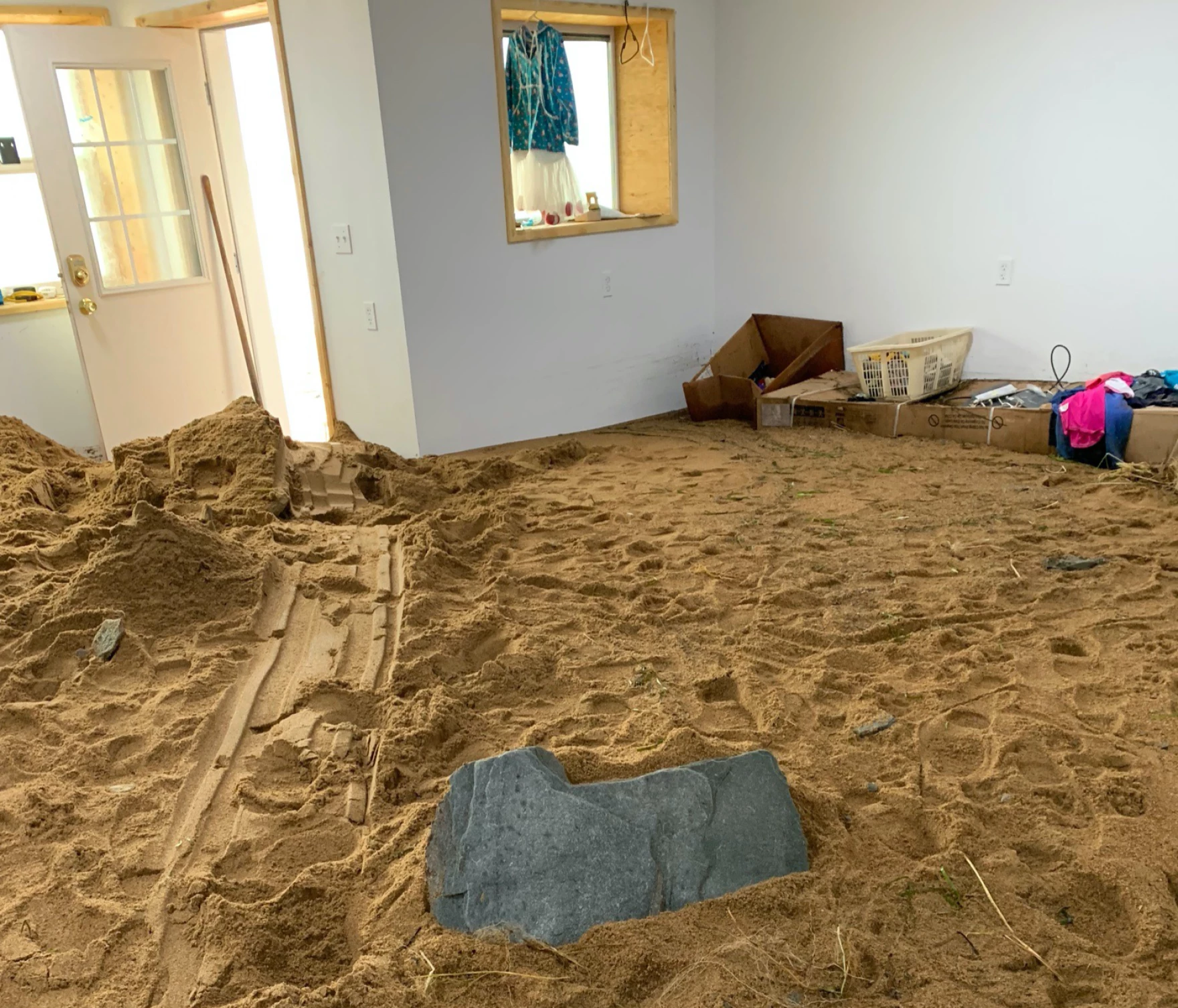
Nome resident Austin Ahmasuk said during a public comment period that he lost his home in the 2022 storm. But he said the damage went beyond homes and property, with some losses still unresolved four years later.
“There aren't many places where we can turn to for what I consider full recovery,” Ahmasuk said. “Our cultural and archeological resources, those were lost, of course during the storm, or they were looted, and so, the impact of Merbok, to people was really devastating.”
Within months of the storm, Nome-based tribal consortium Kawerak created a Subsistence Camp Relief Fund. According to the state, the program received 147 applications representing about $2.5 million in replacement costs. So far, Kawerak has distributed just over a quarter of that amount.
The public comment period on the amendment runs through Oct. 9. After comments are reviewed and potential revisions are made, the state plans to submit the amendment to HUD for approval.


