
Listen to this story
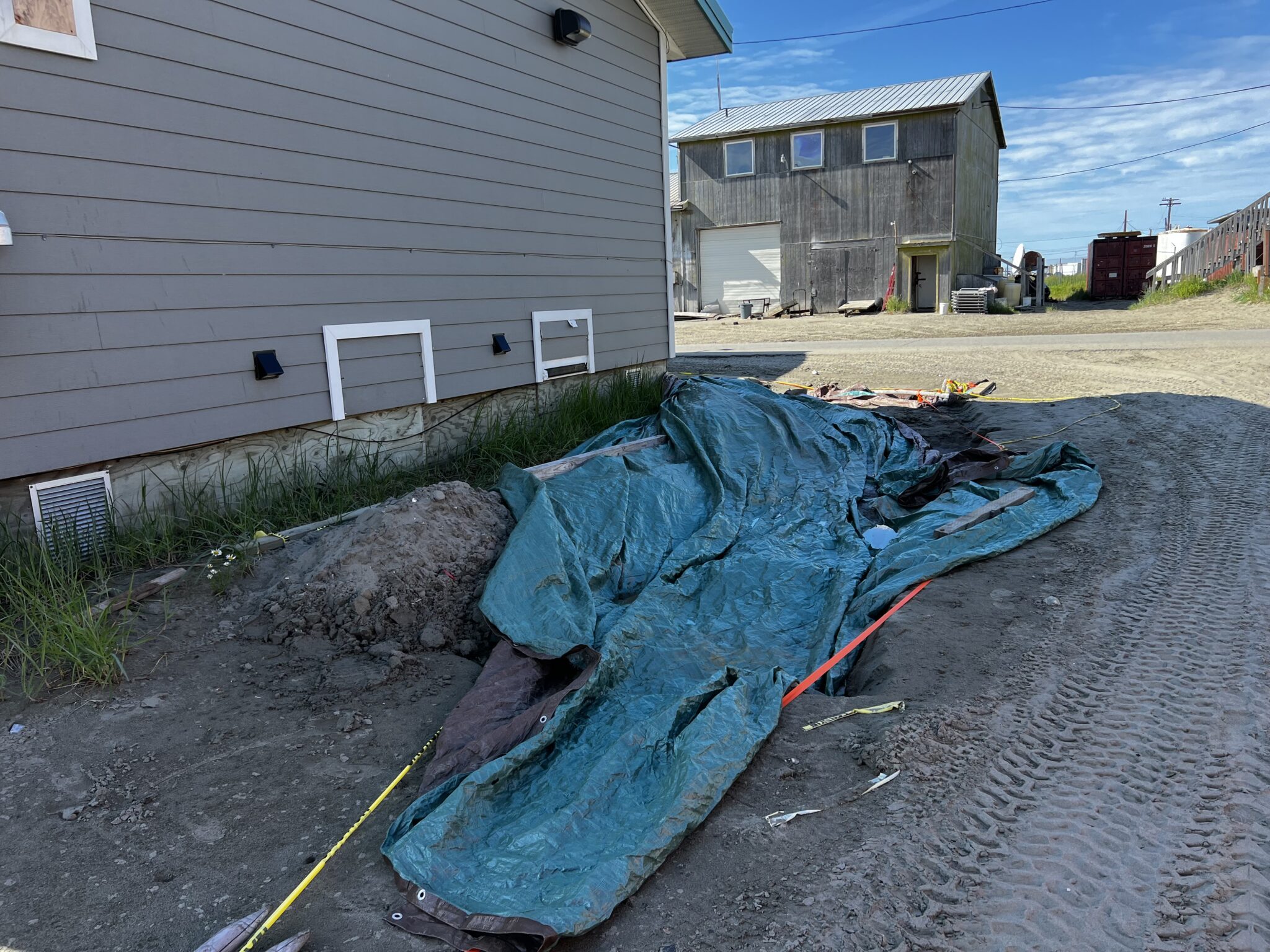
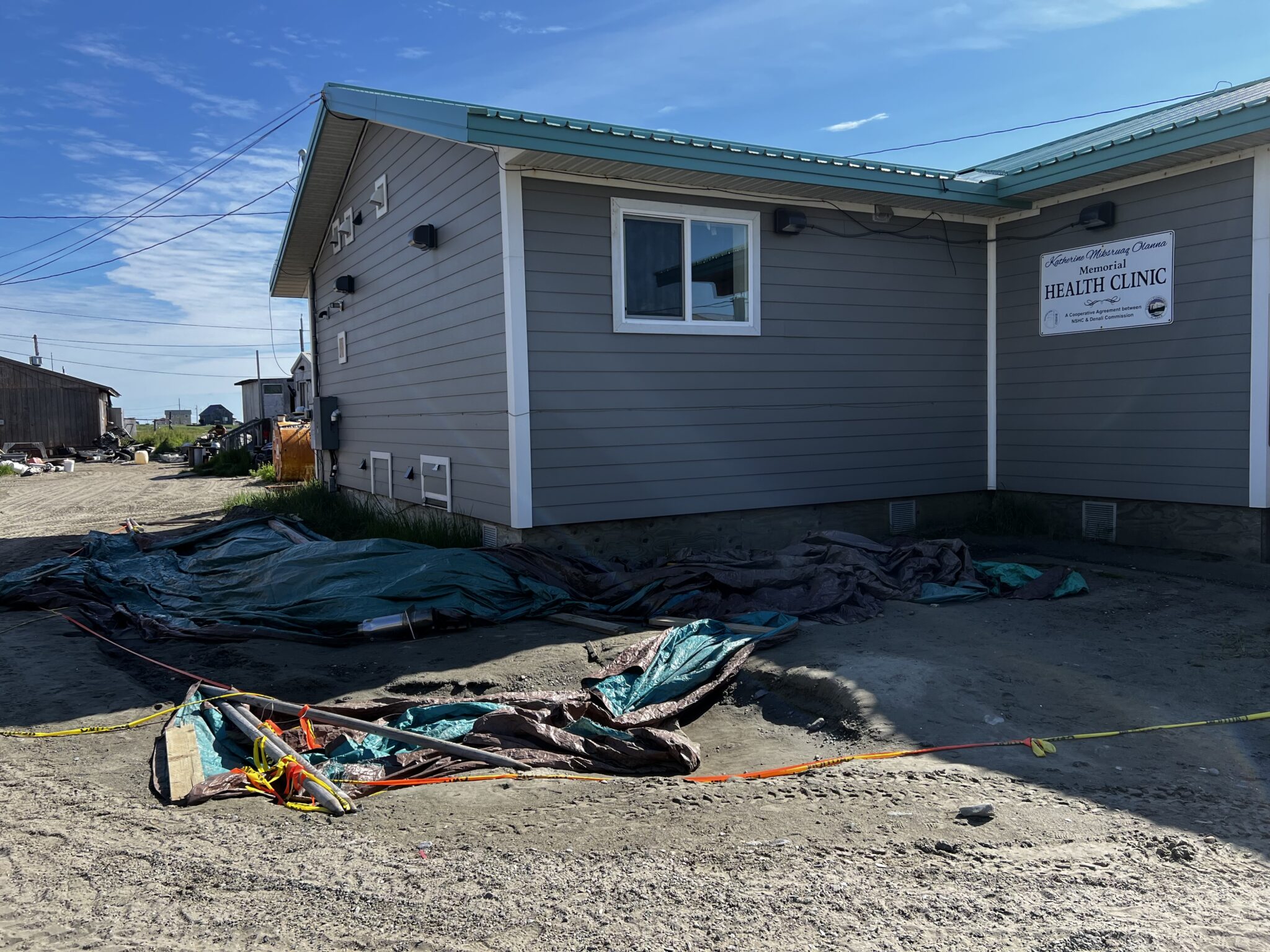
A cleanup effort was undertaken in Shishmaref after a spill of a mixture containing “forever chemicals” in June. The chemicals were in a firefighting foam sent out to communities across Alaska decades ago – before they were known to be harmful to health.
Indian General Assistance Program Coordinator, Andrew Kakoona, said a group of children knocked over a bucket containing Aqueous Film Forming Foam (AFFF).
“I think it might have seeped in, just not sure how deep it might have seeped into the ground,” Kakoona said.
The chemicals contaminated a large section of soil next to the village’s former health clinic. Kakoona believed the spill could’ve been prevented if it were stored in a safer location.
“The city when they take them out of the garage, they didn't put in any kind of connex or any kind of facilities,” Kakoona said.
Connexes with giant tubs of AFFF and other firefighting supplies were sent to 142 rural communities as part of “Project Code Red” in the early 2000's. The project sought to give villages without a robust fire department a way to fight fires on their own, or at least contain it until a nearby crew could respond. The kits were more commonly known locally as a “firefighter in a box”.
The AFFF, manufactured by Delaware-based chemical company DuPont, was later found to contain polyfluoroalkyl substances, or PFAS. The chemicals can cause cancer and other adverse health effects. Companies that sold products containing PFAS like DuPont and 3M have already paid out over $11.5 billion in legal settlements.
By way of a state law passed in 2024, the Alaska Department of Environmental Conservation is helping communities safely dispose of the foam through the Firefighting Substances Disposal Reimbursement program.
DEC Program Manager, Stephanie Buss, said eligible communities can be reimbursed for costs associated with removing the chemicals.
“The purpose behind that was to give an avenue for funding to get PFAS containing material out of communities and dispose them appropriately,” she explained.
Kakoona said the City of Shishmaref applied to the program shortly after the spill.
“The DEC person gave them advice on hiring someone to do those soil samples, see if they remove all of it from the soil, and they're gonna have to hire someone to do that,” Kakoona said.
Kakoona said the city did an initial cleanup of the affected area. Heavy-duty bags and buckets await a contractor that will dispose of the contaminated soil appropriately.
Communities with AFFF can apply to the program by visiting the DEC’s Firefighting Substances Disposal Reimbursement Program website.


